

How to Build a College List That Works
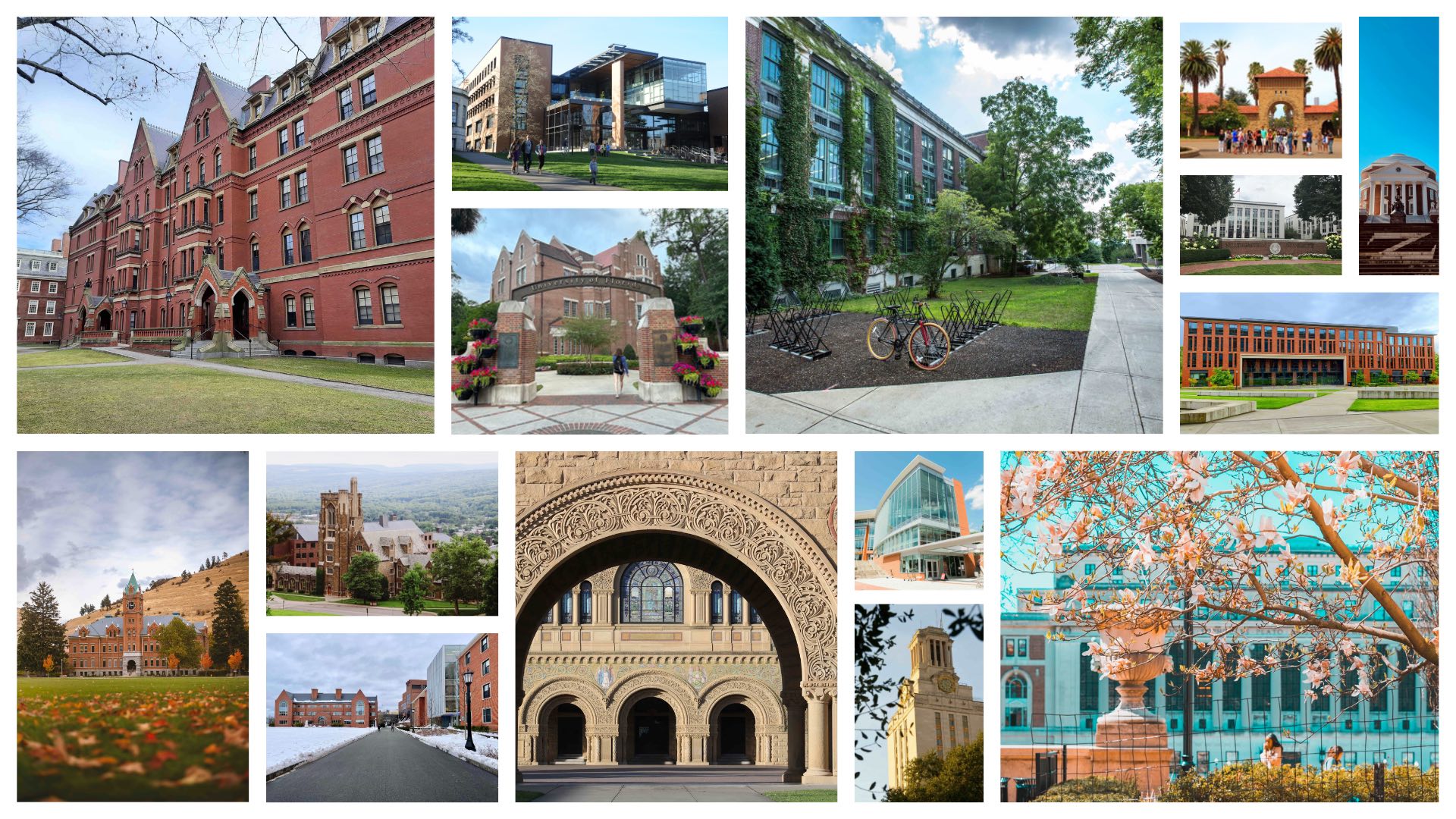
Choosing where to apply to college is one of the most important decisions a student and family will make, but it doesn’t have to be confusing or overwhelming. We can advise you in how to build a college list. With more than 4,000 colleges and universities in the U.S. alone, the challenge isn’t finding schools. It’s finding the right ones for your student’s needs, preferences, and aspirations.
That’s why building a balanced, thoughtful college list is one of the most important steps in the admissions process.
At International College Counselors, we believe that your college list should reflect who the student is, what their short and long term goals are, and where they will thrive, setting them on the path to success.
What Makes a Strong College List?
A college list should reflect your student’s personality, abilities, and aspirations, not just classroom chatter or buzz on social media. Too many students fall into the trap of applying to schools that “all their friends” are applying to, only to realize later that they were not the right match academically, socially, or financially.
Here’s what high-impact college lists focus on:
🔹 Academic Fit
Does the school offer majors, professors, internships, and opportunities that align with your student’s goals? Every school has majors that are stronger than others. Be sure to not only look at the overall curriculum, but also strength in your particular field of interest.
🔹 Campus Culture & Social Environment
Size, location, diversity, clubs, and lifestyle can really impact a student’s experience. Be sure to check out what you will be doing outside of the classroom and whether it will keep you happy and motivated.
🔹 Flexibility for Exploration
Is your student unsure of exactly what they hope to pursue? Check out whether students can change majors easily. Are interdisciplinary paths encouraged? What kind of support does the college offer for students who are undecided on a major? These criteria matter for students who are still discovering their interests.
🔹 Support Systems and Student Resources
Academic advising, mental health services, tutoring, and career support can make a huge difference in student success, especially during transitions.
🔹 Outcomes and Opportunities After Graduation
What happens after college matters. Look at internship pipelines, career placement, graduate school outcomes, alumni networks, and real-world preparation. Want to go to medical school? What is medical school placement? Law school? Vet school? Be sure to keep your eyes on graduation goals.
🔹 Financial Realities
Consider total cost, scholarships, and actual affordability, not just sticker price. Is this institution affordable? Investigate this component before applying. It’s never a good idea to say, “We’ll figure it out if they get in.”
🔹 A Balanced List of Schools
Most students do best with a mix of schools where admission is likely, reasonably possible, and a stretch. This strategy maximizes options without overwhelming applicants. Make sure that “likely” schools are just as appealing as the more selective colleges; there are numerous “hidden gems” that offer equally vibrant experiences—and where your student will thrive.
Why Building Your List Early Pays Off
Many families wait until senior year to think deeply about college lists, but the real advantage goes to students who start early. When you research and narrow your choices over time, you:
✅ Spend more time on meaningful research
✅ Make less rushed (and less stressful) decisions
✅ Build stronger essays and more customized applications
✅ Avoid wasting time and money on schools that aren’t a true fit
Whether you’re just starting your college search or you’re ready to refine an existing list, this session will give you actionable strategies and fresh perspective.
🚀 Real Results Begin With Smart Choices
Choosing colleges isn’t just about acceptance letters. It’s about setting your student up for success in college and beyond. A thoughtful list ensures your student applies to schools where they are more than a number—a place where they belong, they grow, and they thrive.
That’s an attainable goal for all students, and it starts with making informed, strategic decisions now.
