

How to Choose High School Courses for College Success
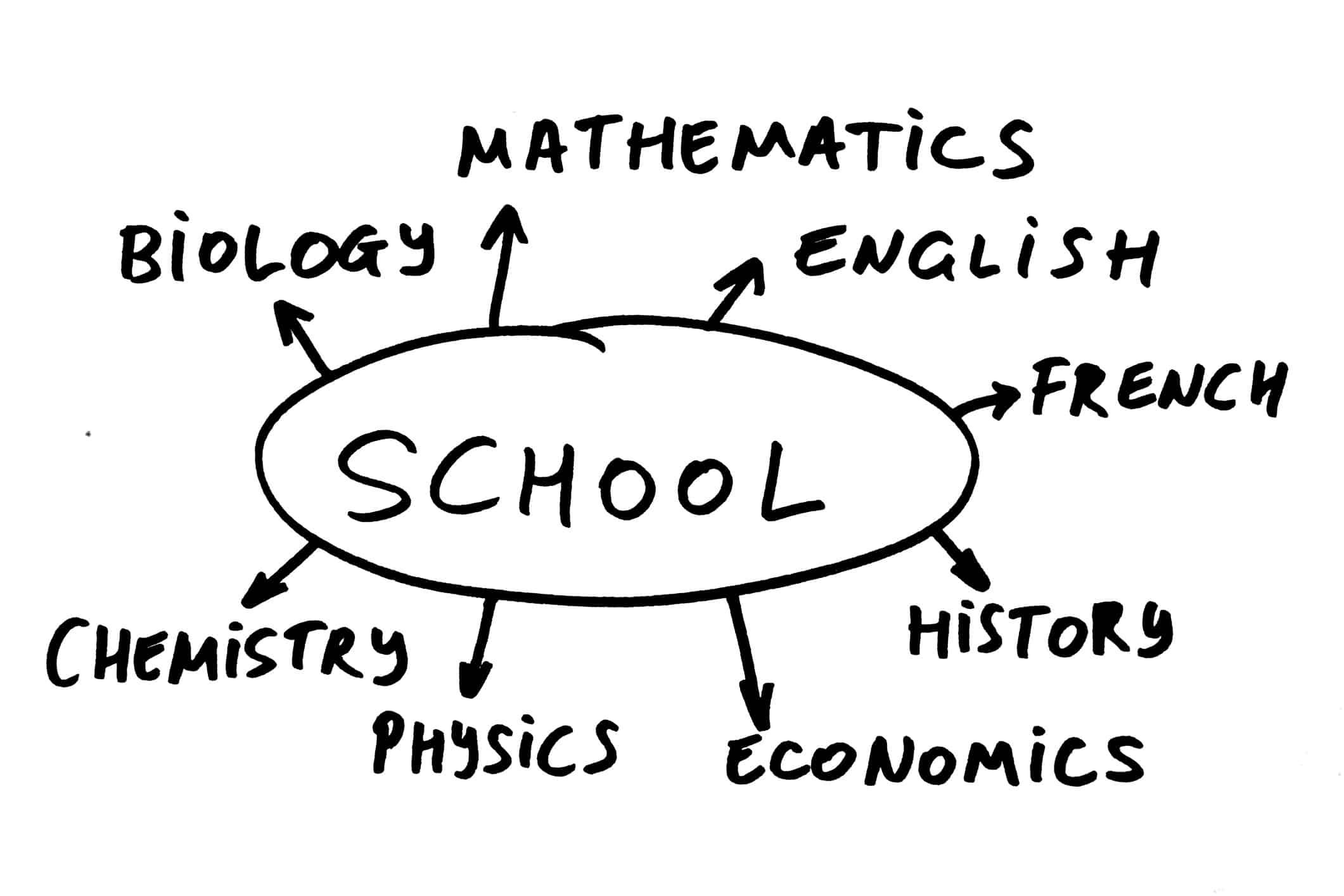
Selecting classes in high school can feel overwhelming, but with the right strategy, it becomes one of the most impactful parts of a student’s academic journey. High school course choices shape not only what students learn each year, but also the academic story colleges see when reviewing a transcript. So it’s important to know how to choose high school courses for college admissions success.
Whether a student is a freshman finding their footing or a junior thinking ahead to college applications, a strong high school course plan balances challenge, personal interests, and long-term goals while laying the foundation for college success and future career opportunities.
In some cases, the right academic fit begins even earlier: choosing the right high school. With expert guidance, families can determine whether a traditional high school or a specialized program better supports a student’s interests, learning style, and long-term goals.
1. Know Your Graduation and College Admissions Requirements
Before choosing high school classes, it’s essential to understand both graduation requirements and the expectations of colleges and academic programs a student may be considering. Most colleges expect students to complete a solid sequence of high school coursework in core subject areas, including:
- English
- Mathematics
- Science
- Social Studies
- World Language
Planning these courses early helps students stay on track, maintain flexibility in their schedules, and avoid scrambling later to meet graduation or college admissions requirements.
Beyond general graduation requirements, many colleges have specific high school course expectations that students must meet to be eligible for admission. For example, the University of California system requires a full year of approved visual or performing arts coursework as part of its “A–G” requirements. Other colleges may expect additional years of foreign language, higher-level math, or specific lab sciences depending on the institution or intended major.
Because these requirements vary by college, it is important to research college-specific expectations early and ensure a student’s high school course selection aligns accordingly. Overlooking even one required course can limit options later, even for otherwise strong applicants.
2. Challenge Yourself—But Don’t Burn Out
Colleges value students who challenge themselves academically through rigorous high school coursework. Honors, AP, IB, AICE, and dual-enrollment classes offer deeper academic engagement and demonstrate readiness for college-level work.
At the same time, balance is critical. Taking on too many demanding classes without considering workload, time commitments, and learning style can lead to stress and lower performance. Course rigor matters, but so does choosing a schedule that allows students to perform well and stay healthy.
3. Explore Interests and Discover New Ones
High school is not just about checking academic boxes; it is also a time to explore interests and develop passions.
Whether a student gravitates toward art, robotics, computer science, writing, or another subject entirely, electives allow students to pursue what excites them while demonstrating initiative and self-direction on their transcript. These classes often help students identify interests that later evolve into college majors or career paths.
4. Don’t Be Afraid to Ask for Help With Course Planning
With so many course options and academic tracks, choosing the “right” high school classes can be confusing. School counselors are valuable resources for understanding graduation requirements and building a balanced schedule, and teachers can offer insight into course expectations and workload.
Many families also choose to work with an independent college counselor, such as International College Counselors (ICC), for expert, long-term guidance on high school course selection. ICC advisors look beyond a single school year to help students build a cohesive four-year academic plan aligned with their interests, strengths, and college goals.
By evaluating course rigor, sequencing, and balance in the context of each student’s individual profile and target colleges, ICC ensures that class choices strengthen a student’s transcript while supporting academic confidence and well-being.
Once a student’s academic direction becomes clearer, course planning should reflect that focus.
STEM-Focused High School Course Planning
For students pursuing STEM pathways, ICC advisors help families make strategic decisions such as when to accelerate in math, whether to pursue AP, IB, or dual-enrollment science courses, how many advanced STEM classes to take in a given year, and which electives—such as computer science, engineering, or research—best support future goals. ICC also helps students build a coherent four-year sequence in math and science that demonstrates rigor while leaving room for strong academic performance and meaningful extracurricular involvement.
Humanities-Focused High School Course Planning
For students drawn to the humanities, ICC advisors help determine appropriate course rigor, how to balance advanced humanities coursework with other core requirements, and how long to continue foreign language study. Over time, ICC helps students craft a transcript that reflects depth, intellectual curiosity, analytical thinking, and strong writing skills.
Arts-Focused High School Course Planning
Students pursuing visual or performing arts also benefit from ICC’s long-term planning. Advisors help families balance rigorous academics with studio, music, theater, or dance classes; determine when advanced or portfolio-based courses are appropriate; and ensure students have the scheduling flexibility needed for auditions, performances, competitions, and portfolio preparation. The result is an academic plan that highlights both creative depth and academic strength.
Choosing the Right High School Matters Too
For some students, academic success begins with finding the right high school environment. Specialized schools—such as STEM academies, performing arts programs, International Baccalaureate tracks, or magnet schools—can offer deeper engagement in a student’s areas of interest. ICC advisors help families assess whether a specialized high school is the right fit and how that choice impacts course planning, extracurricular opportunities, and future college options.
5. Build Depth Over Time in High School
Colleges like to see consistency and growth over a student’s high school career. Continuing a foreign language for multiple years or progressing through advanced math or science courses demonstrates perseverance and mastery. Admissions officers are often less focused on one standout class and more interested in the overall story a student’s course progression tells.
6. Balance Academics With Extracurricular Activities
A student’s schedule should leave room for meaningful extracurricular activities, community involvement, rest, and family time. A transcript can only tell part of a student’s story. How students spend their time outside the classroom matters too, especially when those activities reflect sustained commitment and genuine passion.
7. Keep Long-Term College Goals in View
As interests and goals evolve, students should revisit their high school course plan each year. Thinking ahead helps students stay prepared for college applications and the academic demands of potential majors.
8. When Rigor Matters—Support Makes the Difference
Families often ask whether it is better to earn a B in a very challenging course or an A in an easier one. In general, colleges prefer to see strong grades in appropriately rigorous high school classes. An A in a challenging course demonstrates both academic readiness and the ability to succeed at a higher level.
When a student is capable of advanced work but needs additional support to maintain strong performance, targeted tutoring can make a meaningful difference. ICC’s sister company, Bright World Tutors, provides personalized high school tutoring that helps students master demanding coursework, strengthen skills, and earn grades that reflect their true potential.
Looking Ahead
Choosing high school classes is not just another task to check off a list. It is one of the first steps in building a purposeful academic profile. With thoughtful planning, informed guidance, and a willingness to explore, students can create a high school course plan that supports both day-to-day success and long-term college goals—with clarity instead of stress.
For families who are not yet clients, International College Counselors is ready to provide expert, personalized guidance tailored to your student’s unique academic journey.
Schedule time with an International College Counselors advisor to discuss course options and long-term planning for your student.
