

How to Maximize Campus Visits: Expert Tips for Students and Parents
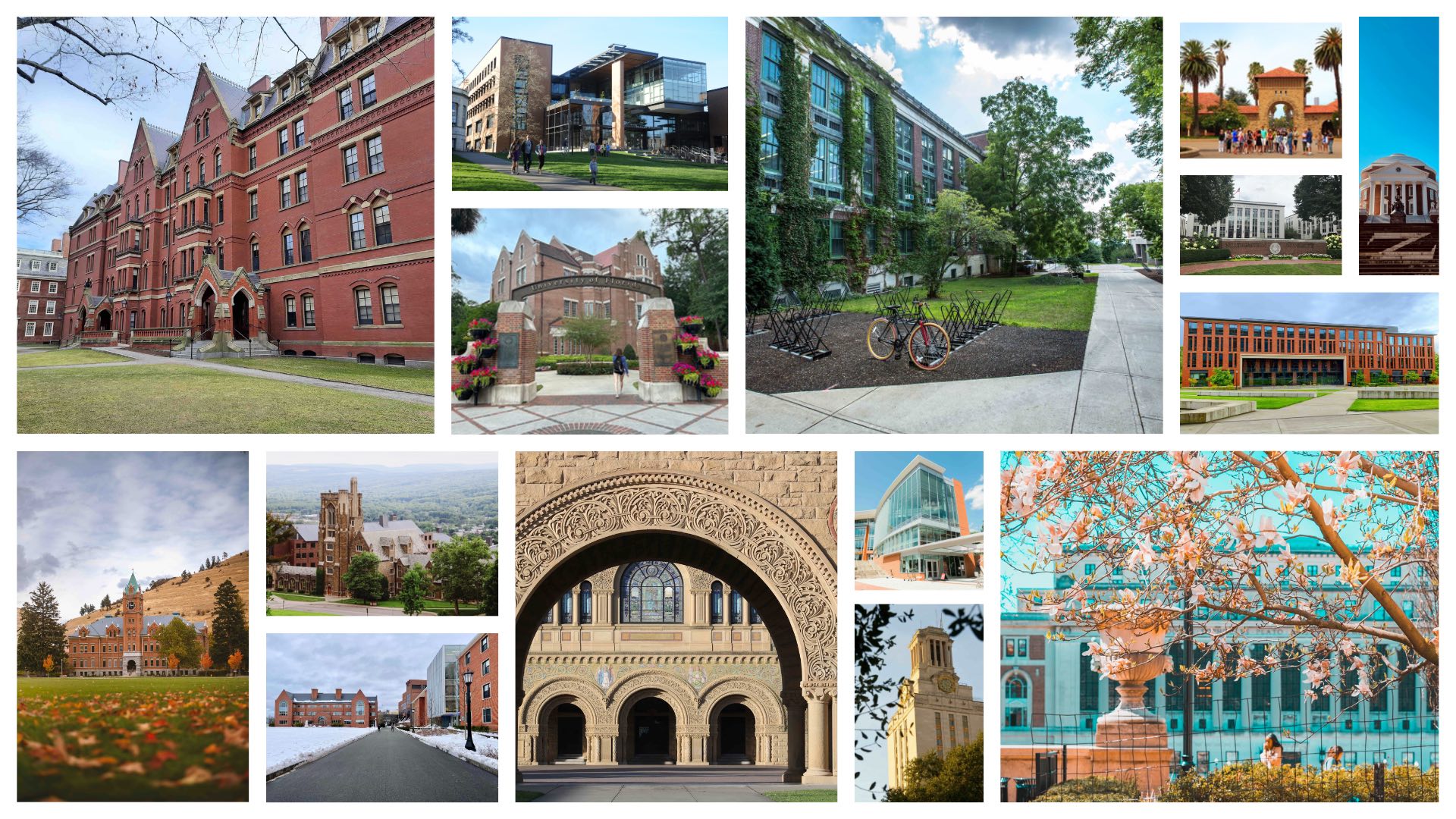
College campus visits are one of the best ways for students and parents to evaluate fit, academics, student life, and campus culture. Knowing how to maximize college tours can help families make smarter college decisions and build a stronger college list. In this guide, International College Counselors shares expert strategies to help families make every college campus visit count.
Drawing on his experience as Director of College Advising at International College Counselors and former senior admissions officer at Brown University, the writer of this blog, Jeffrey “Jay” Durso-Finley, encourages families to look beyond the official presentation and pay attention to the everyday student experience on campus. Jay has extensive experience guiding students and their parents through the admissions process.
There’s a slew of practical bits of advice and guidance online for maximizing college campus visits, covering everything from handling the oddity of “demonstrated interest” to making a strong impression in a campus interview to assessing campus resources. This last area, in particular, can quite likely create friction and disagreement between the student and family, who will probably prioritize very different amenities. (A lazy river? Awesome!) The family college trip is something to be cherished and remembered, so we hope you set the table for a fantastic time together. In that light…
Enjoy the Family Time: Many students and parents feel the interpersonal “pace of life” crunch in high school, yet a college trip together creates a fantastic opportunity to reconnect. The classic college visit trip means meals together, relaxed car time for chatting, and more conversations than the normal school day permits. Remove the headphones, stash the iPhone, and enjoy each other’s company. Use the trip to connect! It will be much more of a challenge to find that connecting time when college arrives.
Find Ways to Have Fun! Finished the tour at Penn State? Go to the Creamery. Walking the UC-Berkeley campus? Go up the Salter Tower. Visiting Johns Hopkins? Spend an afternoon in the Baltimore Museum of Art! Many institutions have amazing places on or near campus that would make your trip more enjoyable and memorable, so expand your trip to include a bit of fun you can find in and around the campuses you visit.
Now that you are hitting the road with a positive and peaceful mindset, let us add some related bits of advice that lean philosophical but certainly affect the practical.
Take Your Time During Campus Visits: Given the number of possible institutions that are likely found on your potential college list, you might be tempted to try to wedge in as many colleges as possible in the days you have allotted for visits. Try to avoid this temptation. Take your time, expect delays, traffic, or parking snarls to happen, and know that the distance from the parking garage to the Admission Office Welcome Center is often much farther than you think. Relax and slow down on your visit, calmly knowing that creating a frenetic schedule will only frazzle nerves and diminish the fun of discovering college communities together. Have coffee in the Student Center. Chat with students you meet. Enjoy the time on campus. Colleges are complex, interesting organisms, so it’s a luxury to take the time to try to understand how they operate.
Seriously, Take Your Time: While the admission office-sponsored events certainly help you learn about the institution, remember they are a sales pitch, giving you the shiny script the college wants you to hear and see. Break free from the script. Interested in engineering? Find the engineering building and wander around, look at the research posters, and say hello to the departmental administrative assistant. Love dramatic arts? See if you can get into the theatre. Planning on rowing in college? Find the boathouse. Buy lunch in the dining center or food court and people-watch. Go into the student center and see what’s posted on the bulletin boards. Read the student newspaper to see what topics are bubbling on campus. Take the time to gain insight beyond the polished presentation of the college and you’ll gain a more complete picture of your potential experience there.
Plan Ahead: Spring break and summer vacations are excellent opportunities for visiting campuses, as you might expect, but they are prime times for everyone else as well. As a result, campus tours and information sessions often have limits to accommodate the crowds – they will fill up! Register well ahead of time for campus tours, admission office-run information sessions, or, if offered, campus interviews. Booking a few months in advance is not too early.
Don’t Trust Your Memory: Take notes, snap photos, write down names of students, admission representatives, or professors you meet, collect questions for follow-up, and know that by the time it comes for you to create your final college list or decide where you will file a first application, many of your memories of the visit will have faded or you will conflate the details of your visit across different schools. Plus, when it comes time to apply, if you have great notes and details you’ve recorded, you’ll have specific sights, people, or facts to include when you respond to the application prompts.
Don’t Leave Without Finding out Your Key Requirements: Every student has a set of criteria that defines whether they will feel the fit on a college campus. For some students, the necessary characteristics are broad and subjective, for example, they seek a large university with tangible school spirit. Other students, however, have very precise requirements, such as a specialized major, particular student support services, or an activity/sport that’s key to their happiness. Think about what matters most to you in a college or university, create a list of what you need to know, and make sure you find the answers to those questions when you visit campus and before you leave.
Learn to Ask Second-Level Questions: When you visit and tour, you’ll notice two common threads in the presentations or tours. 1) Students or parents who ask surface-level questions that don’t advance understanding of the institution, for example, “Can students have cars?” or “What’s the AP policy?” (You do realize you can look those up online, right?) Or 2) Admissions reps or tour guides who will cite statistics or characteristics that sound appealing but often mask some underlying realities that you need to discover. Dig deeper by asking thoughtful, precise questions on the tour or in the info session that will help you get the information and accurate experiences you truly need to know. Here are some examples:
- Tour Guide: “The average class size is 12.8, and fewer than 5% of the classes have more than 100 students.” Question: “Wow, that sounds great. How many students were in each of your classes last term?” (Stats can be deceptive and inaccurately represent the actual student classroom experience.)
- Tour Guide: “(An appealing city) is pretty close, and it’s only a short trip by college-organized bus or train.” Question: “How fun! How often did you go into the city last year?” (Travel to local destinations or taking classes at a nearby institution are often highlighted by admissions, yet, in some cases, students barely take advantage of these options. Try to find out the reality behind the amenity.)
- Tour Guide: “Study Abroad is very popular here, with over one-hundred options at all these exotic locations.” Question: “What an excellent opportunity! Did you or your roommate(s) study abroad, and if so, where?” (Do students see this as a great idea and then fail to take advantage, or only go to English-speaking countries? What’s the study abroad culture like beyond the availability? It could be a great option, but if students do not engage with the opportunity, you’ll feel far less inclined to leave campus.)
Given the examples above, you can clearly see the approach we suggest for asking good questions, that is, find out the critical context that lies underneath the statistics or statements, seek the answers that are rooted in an authentic student experience, and ask for personal, clarifying experiences from tour guides or admission professionals. Mine for the key context that helps you move beyond the brochure version of the school.
In the end, enjoy the time together, learn as much as you can about the institutions as well as about your child, and most importantly, find the fun!
P.S… What if you can’t visit a campus, but your child thinks they might like to apply?
Don’t worry if you cannot visit a college directly. Yes, it does help to see and feel a populated campus, yet one of the post-COVID effects on college admission has been a tremendous explosion of online resources, virtual information sessions, companies that host interactive campus tours on their websites, etc. The content is often sharply produced and extensive. Brown University, for example, has a five-part information session you can find on YouTube that covers everything from student life to the application process. The University of California has dozens of videos and informative short recordings online, and you can subscribe to the UC system video library overall or for individual university campuses. Take advantage of technology if you cannot visit, although if you can visit, make sure to peruse the online resources in addition to the in-person options, as the current digital content will help you advance your research, and beyond that, if the institution tracks demonstrated interest, you will have attended to that admission factor by checking out the online resources.
Frequently Asked Questions About College Campus Visits
When should students start visiting colleges?
Freshman and sophomore years are great for informal visits, while junior year is ideal for focused college tours.
How many colleges should students visit?
Many families benefit from visiting 5–10 colleges of varying sizes and locations.
What should students ask on a college tour?
Ask about academics, advising, internships, housing, student life, and career outcomes.
Do virtual college tours help?
Yes. Virtual tours can help students research colleges and may support demonstrated interest at some schools.
Expert Guidance for Every Step of College Admissions
Need help building a college list, comparing campuses, or creating a smart admissions strategy? International College Counselors helps students in South Florida, across the U.S., and internationally navigate every step of the college admissions process. Contact us to learn more.
